

News & Blog
Technical guides

Technical guides
How to Choose Cable Tie Length and Width: Start From Bundle Diameter and Tensile Strength
Pick the length by the diameter of the bundle and the width by the load it has to hold. Using the maximum bundle diameter and tensile strength of the nine Allpum AP sizes (100–780 mm), here is a step-by-step way to choose — and the mistakes to avoid.

Technical guides
Prolonged Wars and Exchange Rates: How Do They Affect Cable Tie Prices?
The conflict involving Iran, the prolonged Russia-Ukraine war and a weaker Korean won are pushing up the cost of nylon 66 raw materials, sub-materials and freight while making supply less certain. Here is where cable tie costs start to move, and how Suryong Industrial is responding.
Technical guides
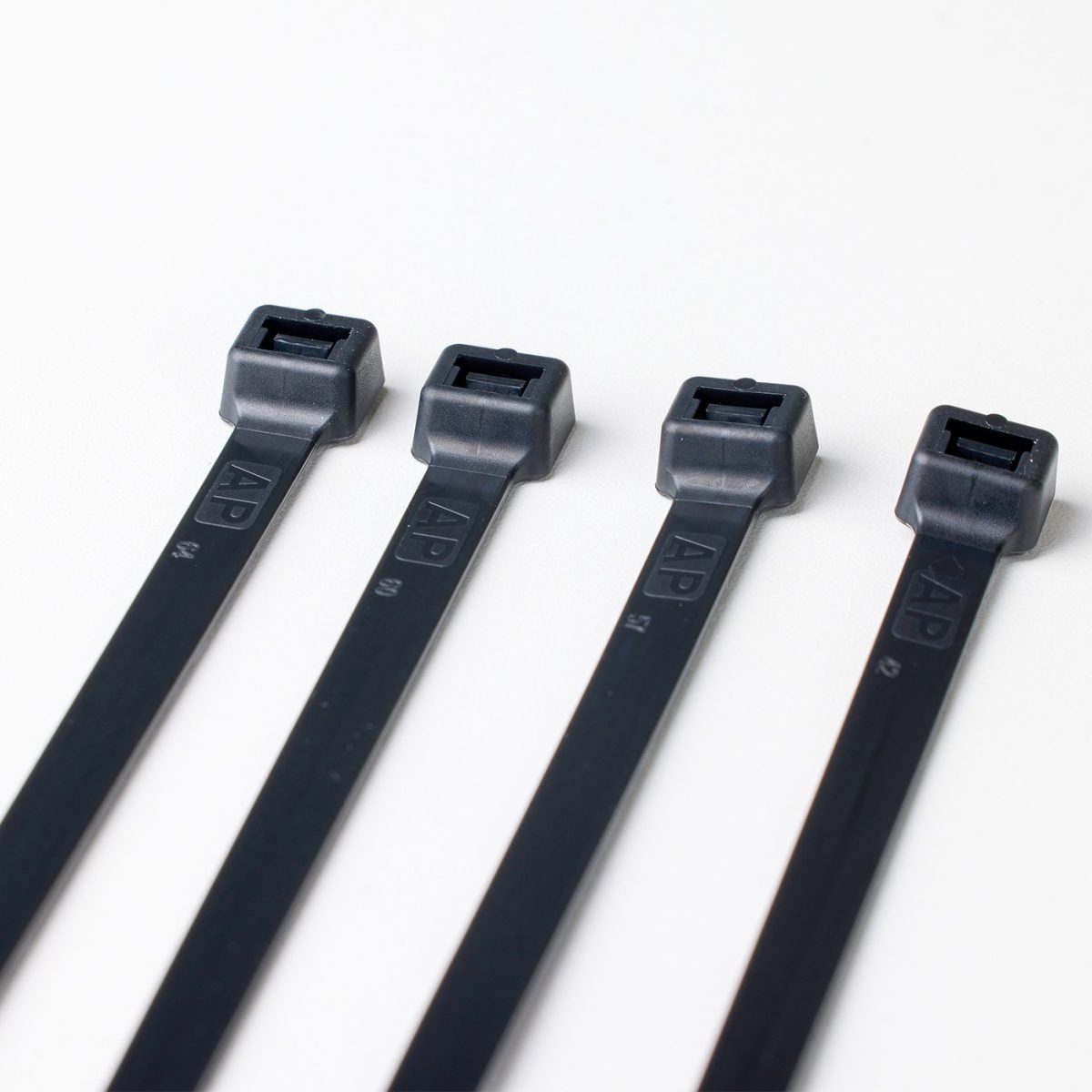
Black UV Cable Tie Review: Why Outdoor Ties Fall Off and Why Black Is the Fix
Have white cable ties on an outdoor structure snapped and fallen off? Here is why sunlight weakens cable ties, and how UV-resistant black Allpum cable ties stretch the replacement cycle and cut maintenance work.

Technical guides
What Makes Allpum Cable Ties Special
Daily random quality checks, fast response, and communication and delivery management tailored to each customer — here is why Allpum cable ties stand apart.

Technical guides
Outdoors, Strength and Stability That Don't Change
Cable tie manufacturer Suryong Industrial Co., Ltd. (brand: Allpum) is drawing attention from industry professionals by highlighting how its cable ties deliver stable performance even outdoors.

Technical guides
Why Cable Ties Are Made from Nylon 66, Not PP
A small part that bundles wires and fixes pipes — but there is a clear reason behind the choice of material.
Technical guides
Global Cable Tie Market Trends and Growth Outlook
In this article we take a comprehensive look at global cable tie market trends and the outlook ahead, and highlight the points we should watch as a manufacturer and supplier.

Technical guides
How the Injection Moulding Process Decides Cable Tie Quality
A cable tie is a key component used to secure and organise wires and all kinds of cables safely. This seemingly simple part actually requires a precise manufacturing process, and the quality of the injection moulding process in particular has a major effect on the durability and functionality of the whole product.
Technical guides
Cable Ties Feel the Seasons Too: Performance and Quality Control Through the Year
Today we'd like to explain cable tie quality control and how performance changes with the seasons. Cable ties are made by injection moulding and respond sensitively to seasonal changes in temperature and humidity.
Technical guides
Harmful Substances Found in Chinese Imports — Why Korean-Made Cable Ties Are Better
Prompted by reports of harmful substances in products from Chinese shopping platforms, we look at the problems with imported cable ties — low-grade resin, mixed materials and missing certifications — and how Allpum cable ties differ.

Technical guides
Why Cold Resistance Testing Matters for Cable Ties
We explain why cable ties need a cold resistance test to confirm they keep enough strength and flexibility at low temperatures, how the test is carried out, and how Allpum manages quality.

Technical guides
A Guide to UL Safety Certification Standards
UL certification is a trusted safety and performance standard worldwide. Cable ties are often used to secure and organise cables in electrical and telecom equipment, and they play an especially important role on industrial sites.