
Mould technology has a long history, and today it is essential for making complex, precise products with a wide range of technologies and materials. In this article we look at how cable tie moulds are made, what to consider when designing them, and the history of moulds and the mould technology of leading companies.
1. The history of moulds
As industrialisation progressed, mould-making became an essential technology for products that require precision and mass production. Moulds originated in the late 19th century with forms made for mass-producing metal products. Then, as plastic products became common in the 20th century, plastic injection mould technology developed. In particular, it became essential for the mass production of cars, electronics and a wide range of consumer goods, including cable ties.
2. Cable tie mould technology
Cable ties are made mainly by injection moulding. In injection moulding, plastic resin is heated until it melts and then injected under pressure into the mould. The injected plastic cools inside the mould and hardens into the shape of the desired product. The following technologies are used to make cable tie moulds.
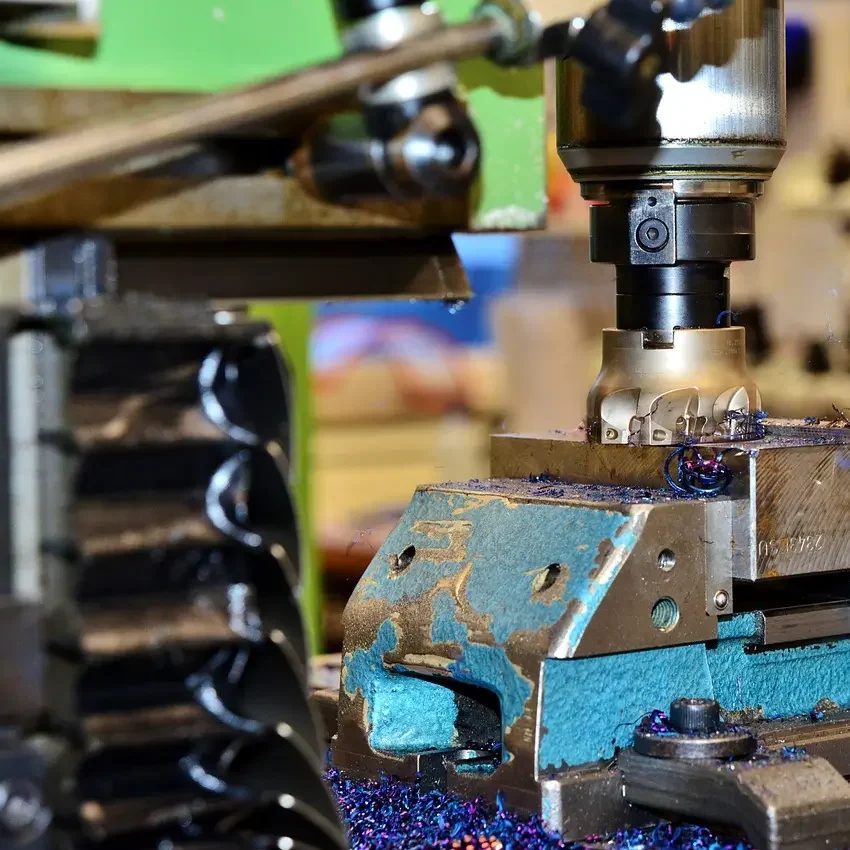
CNC (Computer Numerical Control) machining
CNC machines are used to increase mould precision. This technology allows even very fine details to be machined accurately.
EDM (Electrical Discharge Machining)
Electrical discharge machining is used to create the fine details of complex moulds.
3D CAD (Computer-Aided Design)
Before a mould is made, 3D CAD software is used to simulate and refine the mould design digitally.
Hot runner system
A technology that keeps the plastic flowing evenly during injection, playing an important role in reducing waste and raising productivity.
3. Factors to consider in mould design
The following factors must be carefully considered when designing a cable tie mould.
Product shape and size
A cable tie's function varies with its size and shape. Mould design needs fine detailing that takes into account the tie's bending strength and fastening force.
Cooling system
The design must include a cooling system so the mould can cool quickly during injection moulding. If cooling is not even, product quality is affected.
Durability
Because moulds are used over and over, durability is an important factor. High-quality metals are used, and they must resist heat and wear.
Automation potential
Modern mould design takes into account the efficiency of mass production through automation. Robots and automated machines are used in mould production, so a design that allows for these automated processes is essential.
Shrinkage
Plastic shrinks as it cools, so mould design must take this shrinkage into account and adjust the mould size relative to the actual product size.
4. Types of cable tie moulds
Various types of moulds are used to make cable ties. The main ones are as follows.
Single-cavity mould
A mould that produces only one part at a time, suited to small production runs.
Multi-cavity mould
A mould that produces several parts at a time, suited to mass production. This is the approach mainly used in cable tie production.
Hot runner mould
A system that distributes the plastic evenly within the mould, effective at raising productivity and reducing waste.
5. Allpum cable ties: optimal mould development for high-quality products
Allpum is a specialist manufacturer that produces cable ties of outstanding quality using industry-leading mould technology. Because the durability and functionality of a cable tie depend heavily on mould design, Allpum pays particular attention to mould development and has developed moulds that combine the latest injection moulding and precision machining technologies. Drawing on years of research and know-how, we design moulds optimised for cable tie injection, enabling accurate, precise moulding. In particular, we have strengthened mould durability and optimised heat distribution and cooling rates during injection to improve product consistency and quality. This mould technology not only maximises production efficiency but also minimises waste and enables fast, precise production. With multi-cavity moulds we have also built a mass-production system that maximises cost efficiency while reliably supplying cable ties in a variety of sizes and shapes to meet customer needs.
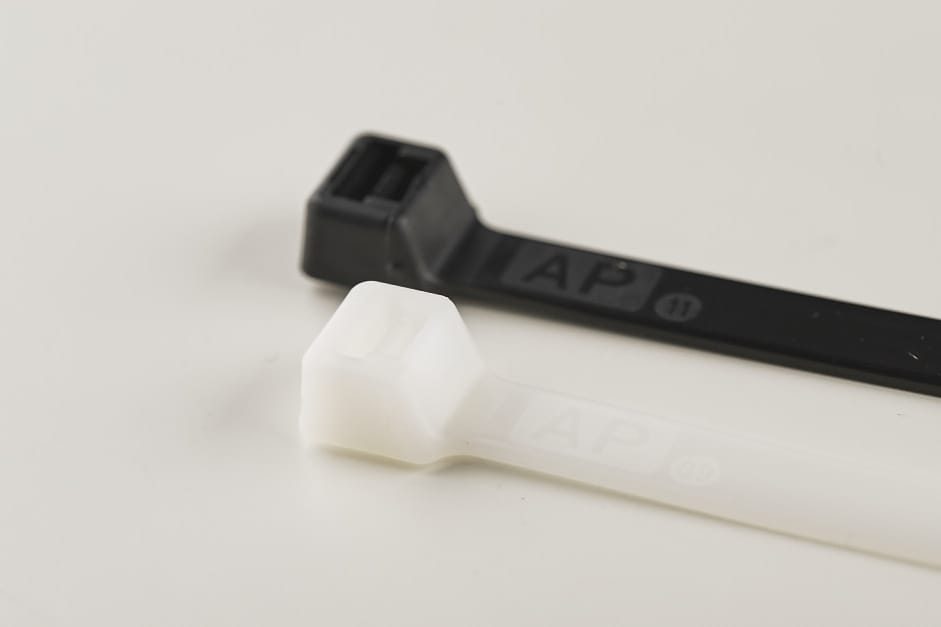
What stands out in Allpum's mould design is a high-precision cooling system and technology that fully controls shrinkage after injection moulding. As a result, our cable ties deliver top performance in strength, flexibility, durability and more, and are highly regarded in the market.
Continuous research and innovation
Allpum does not rest on its achievements: we keep investing in new mould technology to improve product performance and efficiency. In this way we offer customers products they can trust even more and strengthen our competitiveness in global markets. In short, through optimal mould technology Allpum reliably produces high-quality cable ties and has firmly established its position in the industry.